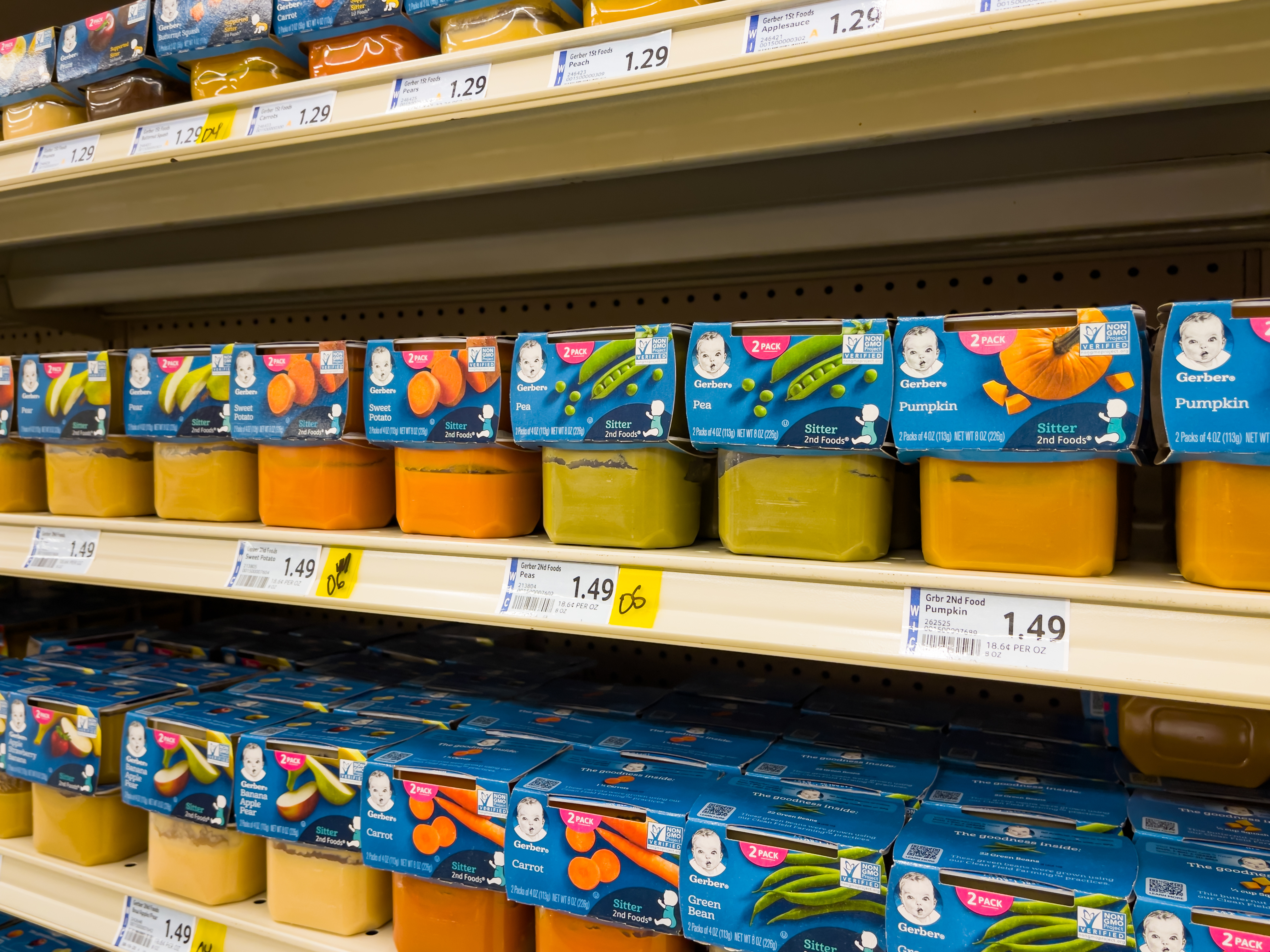

That first messy bite of sweet potato is supposed to be a pure milestone. You pull up the high chair, pull out the phone for photos, and celebrate your baby discovering real food. You assume the cute glass jars and colorful pouches on grocery store shelves are heavily regulated, ultra-safe, and pure nutrition.
Then you open your phone and read the latest headlines: lead, cadmium, arsenic, and microplastics.
It feels like a complete breach of trust. You bought sweet potatoes, not toxic elements. You bought pureed carrots, not microscopic plastic particles.
Before you panic, throw out every jar in your pantry, or spend four hours a night pureeing organic kale from scratch, take a breath. Here is what the latest testing actually found, why a baby’s body is uniquely vulnerable, and the simple, low-stress changes you can make in your kitchen today to protect your child.
What Is Really Inside the Jar?
A comprehensive investigation by Consumer Reports testing 48 commercial baby foods evaluated popular products across major brands, including Gerber, Earth’s Best, Happy Baby, Beech-Nut, Target’s Good & Gather, and Walmart’s Parent’s Choice. Investigators screened for heavy metals (lead, arsenic, cadmium, mercury), plasticizers like phthalates, and microplastics.
The results paint a complex picture:
- Heavy metal levels are lower than before: Lead and arsenic levels dropped noticeably compared to tests from past years. In 96% of the products tested, heavy metal levels were low enough to pose minimal immediate concern. That represents real progress driven by public scrutiny and consumer demand.
- Root vegetables and rice remain high-risk: Root crops like sweet potatoes and carrots grow directly in the soil, where they naturally absorb heavy metals from dirt and groundwater. Rice acts like a sponge, pulling inorganic arsenic out of agricultural water at rates significantly higher than other grains—often testing at up to 6 times higher arsenic concentrations than oatmeal or barley. As a result, processed rice snacks, puffs, and teething wafers consistently register elevated metal loads.
- Microplastics were found in every sample: Microscopic plastic particles were detected in 100% of the baby food purees tested, with counts ranging from 17,000 to over 800,000 particles per serving. Switching to glass jars does not eliminate this issue because the contamination occurs during factory processing. Purees pass through synthetic tubing, rubber gaskets, and machinery long before packaging.
These findings build on earlier landmark research from Healthy Babies Bright Futures, which found heavy metals in 95% of tested baby foods, proving that contamination is a widespread supply-chain issue rather than a single bad brand.
Why a Baby’s Body Is Uniquely Vulnerable
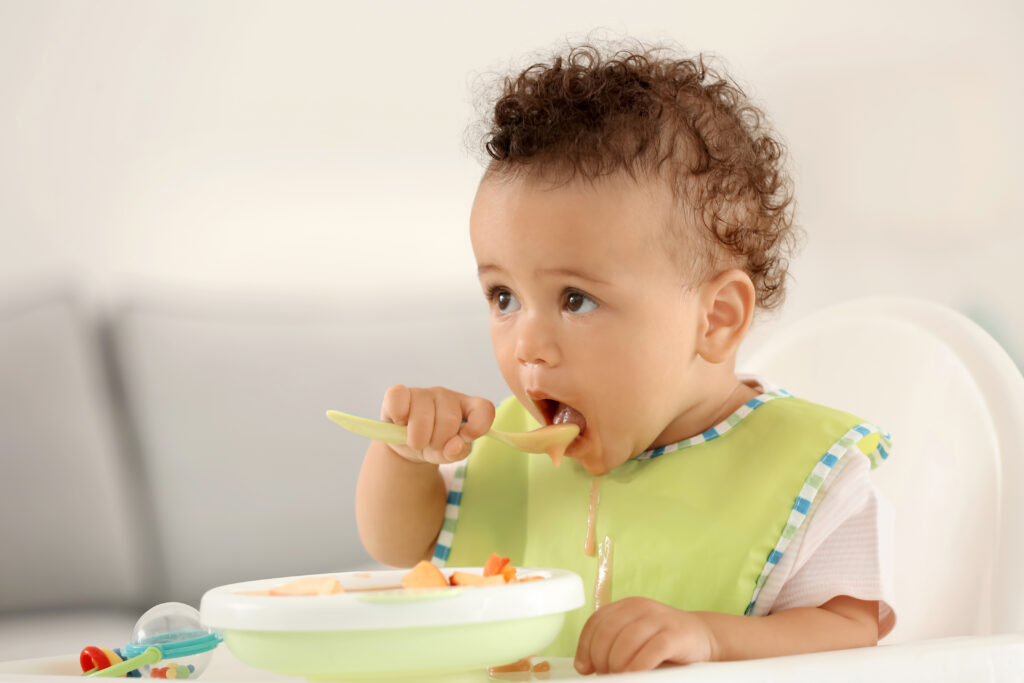
As healthcare providers, we always remind parents that infants are not just mini-adults. Pound for pound, a baby consumes far more food and water relative to their body weight than a grown person, meaning their relative exposure to any environmental contaminant is much higher.
An infant’s physiological machinery is also still under construction:
- Immature organs: A baby’s liver and kidneys, the primary organs responsible for filtering out toxins, are still maturing. They cannot process heavy metals or plastic additives as efficiently as adult systems.
- Rapid brain growth: The American Academy of Pediatrics (AAP) reports on heavy metals emphasize that low-level, cumulative exposure to lead and arsenic can impact developing neural pathways. Research cited by the American Psychological Association (APA) highlights how early toxic exposures can influence long-term cognitive development, executive function, and behavioral regulation.
- Hormone disruption: Plasticizers like phthalates act as endocrine disruptors. Research from the National Institute of Environmental Health Sciences (NIEHS) shows that early exposure to these synthetic chemicals can interfere with normal hormone regulation and gut health during critical growth windows.
Clinical Reality Check: Zero exposure to environmental elements is impossible in a modern world. Occasional exposure from a jar of sweet potatoes will not cause harm—what impacts health is a child’s cumulative diet over months. Offering a wide variety of foods remains a parent’s best tool to minimize risk
American Academy of Pediatrics (AAP) Guidance
Why Shopping Alone Cannot Fix This
When faced with alarming food news, the immediate instinct is to find a “clean” brand, buy organic, or prepare everything from scratch. However, individual shopping choices cannot single-handedly solve a systemic industrial issue.
Buying organic limits exposure to synthetic pesticides, but it does not alter soil geology. Organic carrots and sweet potatoes still absorb naturally occurring lead and cadmium from the ground. Similarly, pureeing store-bought sweet potatoes in a home kitchen carries those same soil minerals, and processing or storing food in plastic tools can introduce microplastics at home.
What Consumer Reports Is Demanding from Regulators and Brands
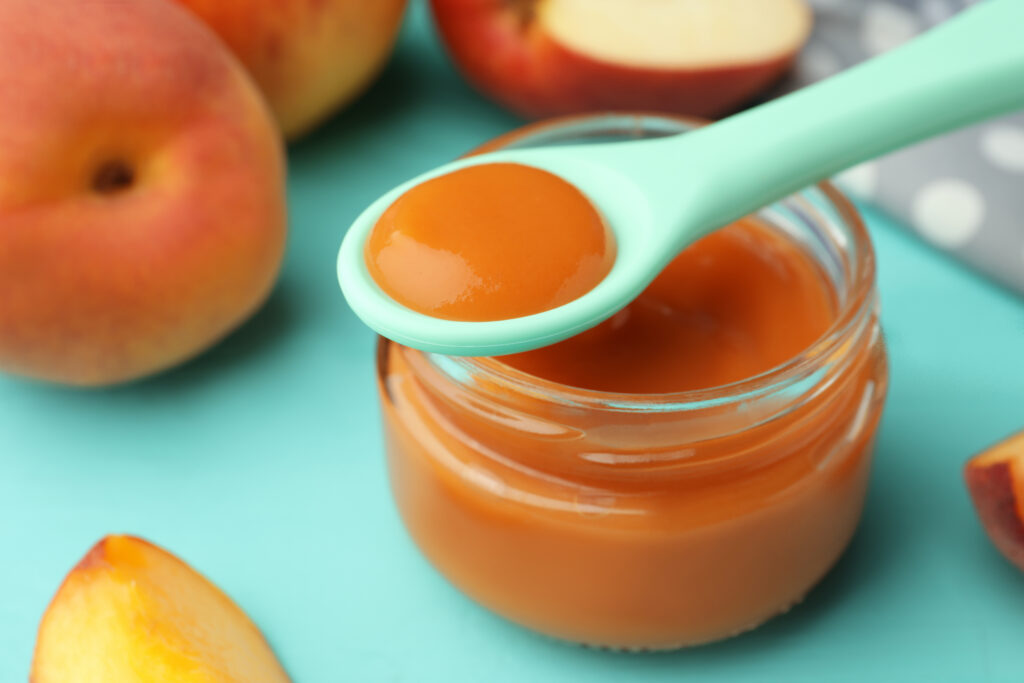
Because parents cannot shop their way out of this problem, Consumer Reports is calling directly on federal health agencies and food manufacturers to take three specific actions:
- Enforce mandatory limits on finished products: Rather than allowing companies to test raw ingredients, the FDA must enforce binding limits under its Closer to Zero initiative on final, packaged baby food off the assembly line.
- Remove plastic equipment from factory lines: Regulators must require manufacturers to replace synthetic tubing, plastic conveyers, and leachable rubber seals with safer food-grade materials to prevent microplastic shedding.
- Mandate public test results on packaging: Following state transparency laws like California’s AB 899, food brands should be required to publish heavy-metal test results online and make them accessible via QR codes on product labels.
Practical Steps for Your Kitchen
Protecting your child does not require absolute perfection. It requires minimizing cumulative exposure over time. Small, strategic adjustments to meal choices and prep habits can lower the overall burden on your baby’s developing system.
- Rotate foods daily: Avoid feeding your baby the exact same puree day after day. Rotating your baby’s daily menu prevents heavy metals from any single crop from building up in their system.
- Swap out rice-based snacks: Because rice absorbs inorganic arsenic far more readily than other grains, replace rice infant cereals, puffs, and teething wafers with alternatives made from oats, barley, quinoa, or multi-grain blends.
- Balance root vegetables: Sweet potatoes and carrots offer rich nutrition, but because they grow underground, they absorb more soil metals. Balance root vegetable meals throughout the week with non-root options like green beans, peas, squash, apples, and bananas.
- Skip heated plastic: Heat accelerates the shedding of microplastics and phthalates directly into food. Never microwave food in plastic pouches, plastic bowls, or plastic bottles. Transfer purees or milk to glass, ceramic, or stainless steel containers before warming.
- Use cold tap water for formula: If you use tap water to mix infant formula or dry cereal, run cold water from the faucet. Hot tap water sits in household plumbing longer, leaching higher levels of lead and pipe metals into the water. Heat cold tap water separately on the stove or in a kettle.
Where We Go From Here
Feeding your child should be a source of joy and connection, not constant anxiety. While the presence of industrial contaminants in commercial food is a frustrating reality, you can actively protect your baby with practical, evidence-based choices. By advocating for stronger regulatory standards while practicing smart dietary rotation and safe kitchen prep at home, you give your baby the safe, nourishing start they deserve.