
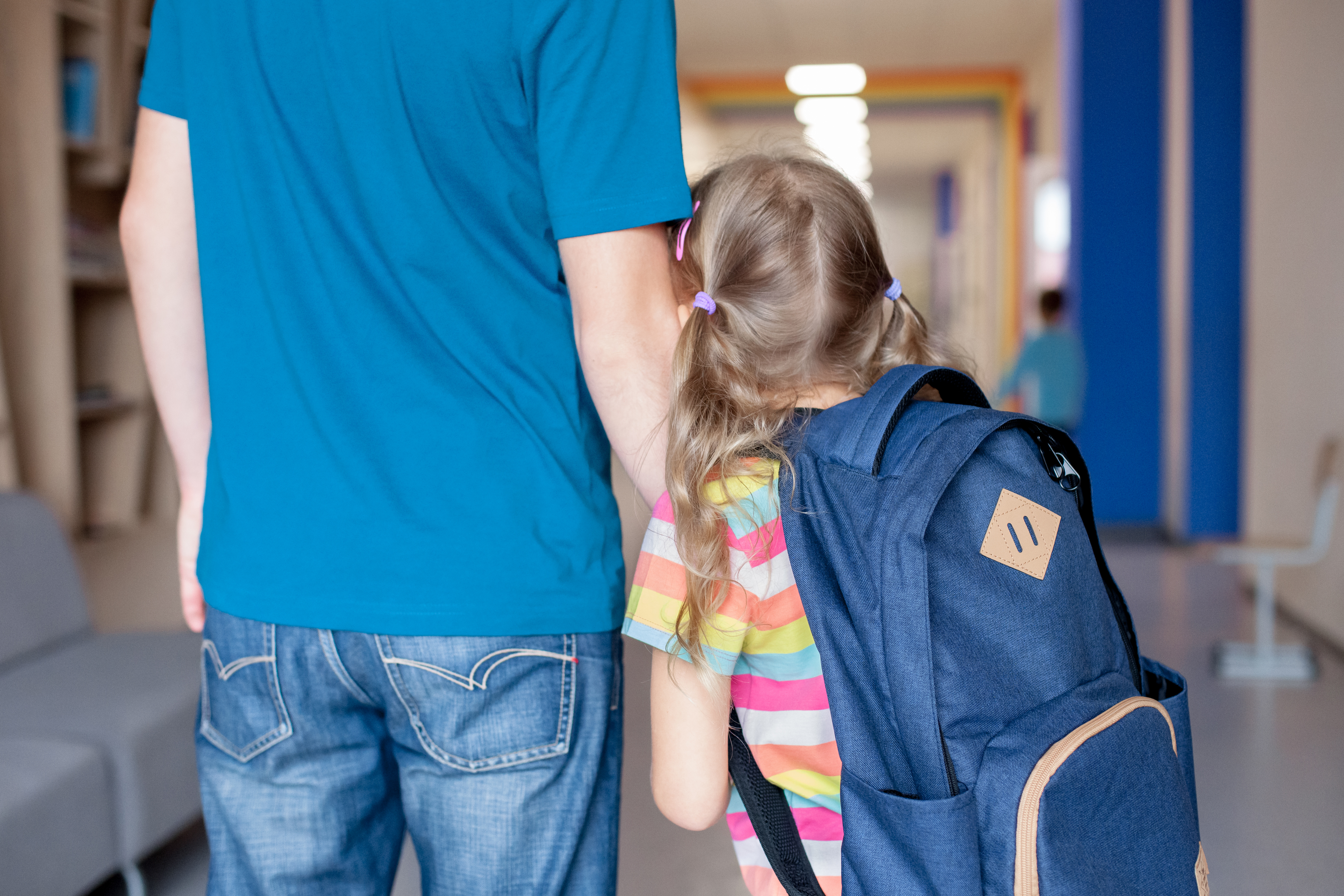

The countdown to a new school year is often filled with excitement. New backpacks are packed, school supplies are checked off the list, and parents begin settling back into routines after the more relaxed pace of summer. But for many families, the return to school also brings something less visible: anxiety.
Every year around this time, I hear from parents who tell me their child suddenly has a stomachache before school, can’t seem to fall asleep, or bursts into tears over something that normally wouldn’t bother them. Their first thought is often that their child is getting sick. Sometimes that’s true, but just as often, those physical symptoms are a child’s way of expressing anxiety.
Going back to school is a significant transition. A child may be worried about a new teacher, making friends, keeping up with schoolwork, or simply not knowing what to expect. Older children may feel pressure to fit in socially, make a sports team, or handle more challenging classes. Whatever the reason, it’s important to remember that feeling anxious doesn’t mean something is wrong. It means your child is facing something new.
The encouraging news is that most back-to-school anxiety is temporary. With support, preparation, and patience, children usually gain confidence as they settle into their new routine.
Why Does Back-to-School Anxiety Happen?
Children thrive on predictability. Summer often brings later bedtimes, family vacations, fewer schedules, and more freedom. Then, almost overnight, they return to alarm clocks, homework, structured days, and new expectations.
Even changes we look forward to can feel stressful because they involve uncertainty. Adults experience this too. Starting a new job, moving to a different neighborhood, or walking into a meeting where you don’t know anyone can create the same nervous feelings many children experience before the first day of school.
According to the Centers for Disease Control and Prevention (CDC), anxiety is one of the most common mental health conditions affecting children. Approximately 11% of children ages 3 to 17 have been diagnosed with anxiety, reminding us that emotional health deserves just as much attention as physical health.
Understanding that anxiety is common can help parents respond with reassurance instead of alarm.
Anxiety Doesn’t Always Look the Way You Expect
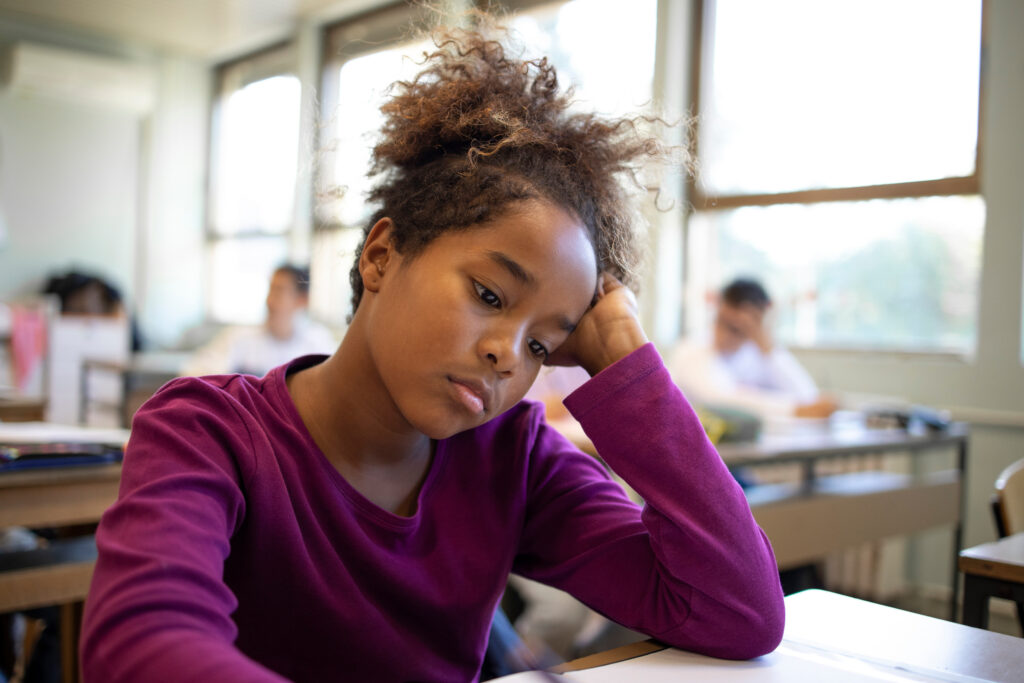
One of the biggest misconceptions about anxiety is that children will tell you they’re worried.
Many don’t.
Instead, their bodies often tell the story first.
A child who was perfectly healthy all summer may suddenly complain of a stomachache every school morning. Another may have headaches, lose their appetite, or have trouble sleeping. Some children become unusually clingy, while others become quiet or irritable.
Common signs of back-to-school anxiety include:
Physical symptoms
- Frequent stomachaches or nausea
- Headaches
- Trouble falling asleep or staying asleep
- Changes in appetite
- Fatigue
- Muscle tension
Behavioral and emotional signs
- Crying before school
- Becoming unusually clingy
- Irritability or mood swings
- Avoiding conversations about school
- Difficulty concentrating
- Asking to stay home
- Frequent visits to the school nurse
These symptoms are very real. Anxiety activates the body’s stress response, which can affect digestion, sleep, appetite, and concentration. That doesn’t mean every stomachache or headache is caused by anxiety, however. If symptoms are severe, persistent, or concerning, your child’s healthcare provider should evaluate them to rule out an underlying medical condition.
How Parents Can Help Ease Back-to-School Anxiety
Parents often ask me if there’s one thing they should do to help an anxious child. There isn’t a single solution, but there are several simple strategies that can make the transition back to school much easier.
Start the school routine before school starts
One of the easiest ways to reduce anxiety is to make the first day feel less overwhelming. About a week before school begins, gradually shift bedtime and wake-up times, return to regular mealtimes, and practice the morning routine.
Predictability helps children feel secure because they know what to expect.
Listen before trying to solve the problem
As parents, our instinct is to reassure.
“You’ll be fine.”
“Don’t worry.”
While those responses come from a place of love, children often need to feel heard before they can feel reassured.
Instead of immediately offering solutions, try asking questions such as:
- What are you most excited about this year?
- Is there anything you’re worried about?
- What do you think would make the first day easier?
Sometimes the answer is surprisingly simple. Your child may be worried about finding their classroom, eating lunch alone, or not recognizing anyone in class. Once you understand what’s causing the anxiety, it’s much easier to help them work through it.
The American Psychological Association encourages parents to acknowledge a child’s emotions rather than dismiss them. Feeling understood helps children develop resilience and healthy coping skills over time.
Focus on what your child can control
Anxiety grows when we focus on things we can’t control.
Help your child shift their attention to the things they can control instead.
For example, they can:
- Pack their backpack the night before.
- Choose their clothes for the next day.
- Eat a healthy breakfast.
- Introduce themselves to a classmate.
- Ask their teacher for help if they’re confused.
- Be kind to others.
Those small actions build confidence because children begin to see that they can influence how their day goes.
Celebrate effort, not perfection
The first week of school is an adjustment. Your child may forget an assignment, miss the bus, or feel awkward introducing themselves to someone new.

That’s okay.
Instead of focusing on whether everything went perfectly, celebrate the effort it took to try. Confidence grows one small success at a time.
When Should Parents Be Concerned?
Most children adjust to the school year within the first couple of weeks. As routines become familiar and friendships begin to form, anxiety often fades.
However, it’s time to seek additional support if anxiety begins interfering with your child’s daily life.
Talk with your child’s healthcare provider if your child:
- Refuses to attend school repeatedly.
- Has anxiety that continues for several weeks.
- Experiences panic attacks.
- Has persistent changes in eating or sleeping habits.
- Withdraws from family, friends, or activities they usually enjoy.
- Talks about feeling hopeless or expresses thoughts of self-harm.
Early support can make a tremendous difference, and asking for help is a sign of strength—not failure.
A Final Thought
Every child starts the school year differently. Some walk into the classroom without looking back. Others need a few extra hugs, a little more encouragement, or the reassurance that it’s okay to feel nervous about something new.
What matters isn’t whether your child feels anxious. What matters is helping them understand that anxiety doesn’t have to stop them from moving forward.
As parents, we can’t remove every challenge our children will face. We can, however, remind them that they are capable, prepared, and never alone. Sometimes that’s exactly what a child needs to take a deep breath, walk through the classroom door, and discover they were stronger than they thought.