
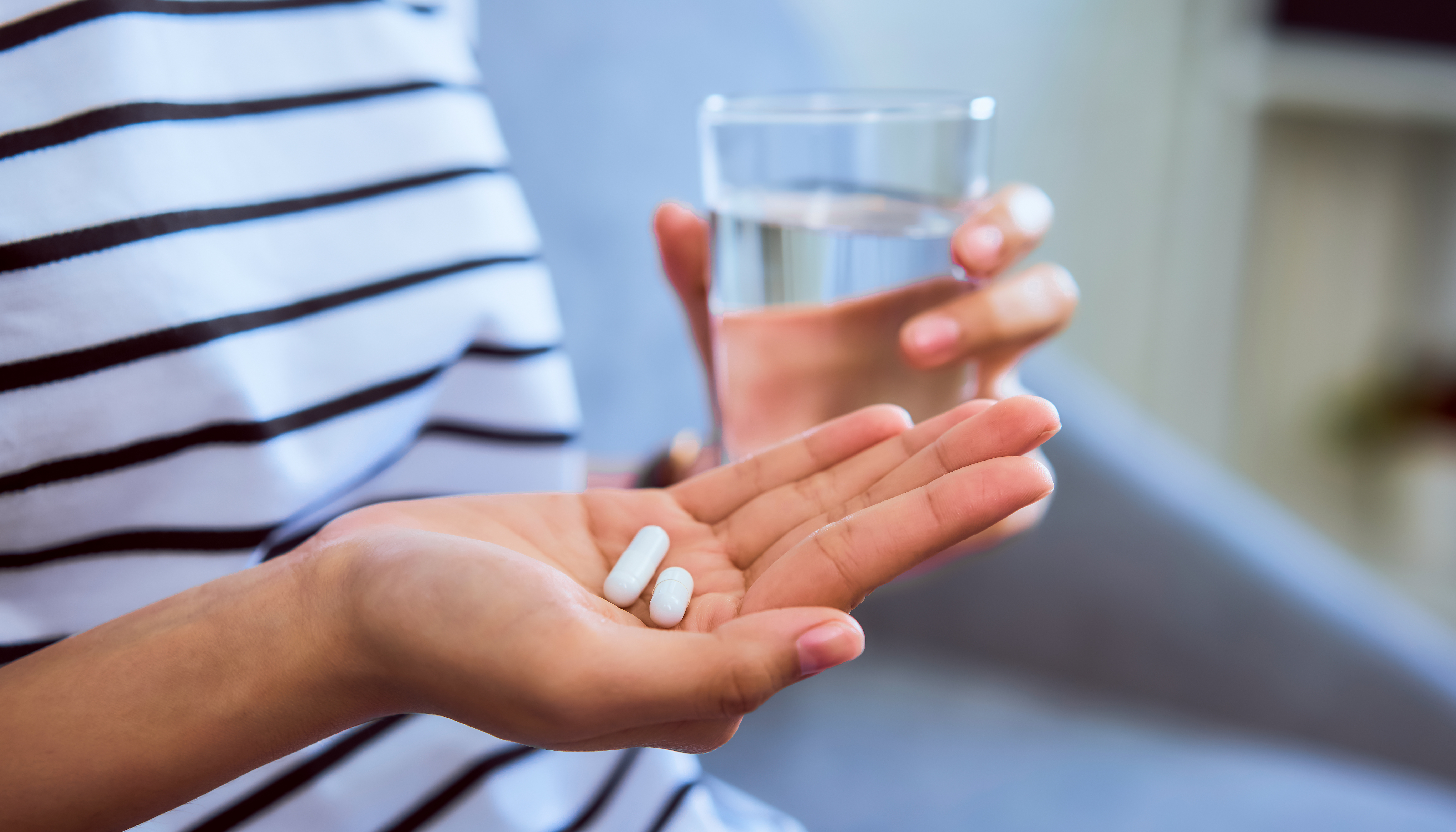

In reality, medication timing and food shape how your body absorbs and responds to treatment. Those small instructions on your pharmacy bottle are never arbitrary. Pharmacists and scientists design them around human biology to protect your stomach, maximize healing, and reduce side effects. Learning the science behind when to take medications helps every dose work as hard for your health as you do.
At a Glance: How Timing and Food Affect Your Medications
- Timing aligns with biology: Your circadian rhythm shifts stomach acid, blood flow, and liver enzymes all day, making morning or bedtime ideal for specific prescriptions.
- “Empty stomach” has a strict window: Taking medicine on an empty stomach means 1 hour before eating or 2 hours after a meal so food will not block absorption.
- Healthy foods can still interact: High-fiber meals, dairy, grapefruit, and leafy greens can alter how your body processes medicine, often requiring a 1-to-4-hour spacing window.
Why Medication Timing Matters for Your Body
Every medication has a built-in timeline called a half-life. This is the time your body needs to process and clear out half of the drug. Dosing schedules, whether once daily or every eight hours, keep a steady level of medicine in your bloodstream. Taking doses too close together causes drug levels to spike and triggers uncomfortable medication side effects. Spacing doses too far apart lets medication levels drop below what your body needs to stay well.
Your body also runs on a natural 24-hour circadian rhythm. Hormone levels, stomach acid, blood flow, and liver enzyme activity rise and fall from morning to night. These daily shifts change how your body handles medicine depending on the hour. A few everyday examples show how much the clock matters:
- Thyroid medications (such as levothyroxine): Take these first thing in the morning on an empty stomach. They mirror your body’s natural daytime hormone surge and absorb cleanly without interference.
- Diuretics (“water pills”): Take these in the morning or early afternoon. Extra bathroom trips will happen while you are awake instead of interrupting your sleep.
- Cholesterol-lowering statins: Certain short-acting statins work best at bedtime because your liver produces the most cholesterol overnight while you rest.
- Sedating medications: Doctors typically schedule drowsy antihistamines, muscle relaxants, or nerve medications for the evening. This timing keeps you safe and alert during the day.
Taking Medication With Food vs. Without Food
According to Johns Hopkins Medicine, food and drinks directly affect your stomach and intestines. They change how fast a drug enters your bloodstream and how much your body actually uses. Some labels instruct you to take a pill on an empty stomach, meaning one hour before eating or two hours after a meal. These drugs need a clear path through your digestive tract. Food slows down stomach emptying, which delays relief or stops a pill from dissolving well. Taking acetaminophen after a heavy meal, for instance, slows down how fast your headache fades. Certain antibiotics face an even bigger impact. Research from the National Institutes of Health (NIH) shows that taking azithromycin with food cuts its bioavailability by 43 percent. Bioavailability is the exact amount of medicine that reaches your bloodstream.
Other medications need a meal beside them to work safely. Nonsteroidal anti-inflammatory drugs (NSAIDs) like ibuprofen and naproxen can irritate your stomach lining. Pairing them with food creates a gentle buffer that lowers your risk of nausea, heartburn, and ulcers. Fat-soluble drugs and certain heart or diabetes therapies also rely on meals. They need the digestive enzymes, bile, and healthy fats from food to dissolve and enter your bloodstream.
When Healthy Foods and Specific Drinks Get in the Way
Health-conscious people often face a frustrating surprise. Nutritious foods that support wellness can sometimes work against daily prescriptions. According to the U.S. Food and Drug Administration (FDA), specific nutrients can bind to medications in your gut or change how liver enzymes break them down.
- High-fiber foods and supplements: Oats, beans, bran, and psyllium fiber support digestion and heart health, yet fiber acts like a sponge in your gut. High amounts of fiber can trap thyroid hormones, digoxin, and certain antidepressants before they absorb. Space fiber supplements or high-fiber meals at least two hours away from sensitive medications.
- Dairy and calcium-fortified foods: Calcium binds directly to iron supplements and antibiotics like tetracycline and ciprofloxacin. This creates a compound your intestines cannot absorb.
- Grapefruit and grapefruit juice: Natural compounds in grapefruit block key intestinal enzymes that break down several statins and blood pressure drugs. Too much medication then builds up in your bloodstream, raising your risk of side effects.
- Leafy greens (Vitamin K): Kale and spinach pack high levels of vitamin K, which can counteract the blood thinner warfarin if your intake jumps suddenly. Keep your weekly leafy green intake steady so your care team can balance your dose.
- Alcohol and aged foods: Alcohol raises the risk of liver strain, stomach irritation, drowsiness, and blood sugar swings across many prescriptions. Aged cheeses and cured meats contain tyramine, which triggers dangerous blood pressure spikes with older antidepressants called MAO inhibitors.
How to Build a Safe, Supportive Medication Routine
You never have to choose between eating well and getting the full benefit of your treatment. Smart spacing and steady habits protect both goals. Swallow your pills with a full glass of plain, room-temperature water as your safest default. Hot coffee can dissolve protective pill coatings too early, while acidic juices can block absorption. You should also space daily mineral supplements like calcium, iron, or magnesium away from prescriptions. Keep these supplements and antacids one to four hours apart from your medications so they do not compete in your gut.
Whenever you start a new prescription, vitamin, or supplement, bring a few essential questions to ask your doctor or pharmacist. Find out what time of day works best, whether to take it with food, and which healthy foods require spacing. Paying attention to medication timing and food turns your daily habits into a reliable partnership for lasting health.