
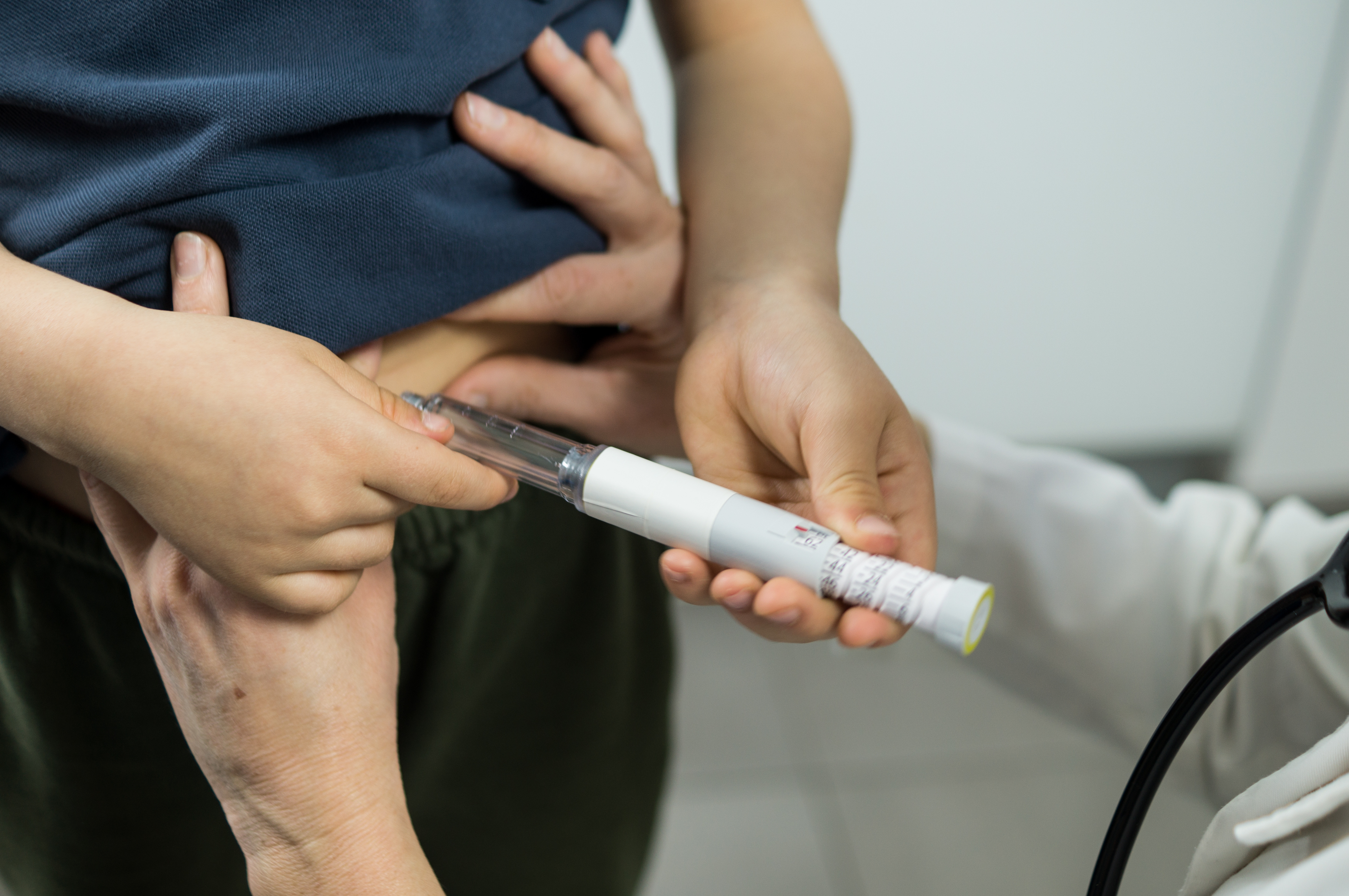

Weight-loss drugs have changed the conversation about obesity in a relatively short amount of time. Medications such as Wegovy, Zepbound and Saxenda are now familiar names to many adults. But a new study is bringing that conversation into very different territory for parents: children as young as 8.
New research published in Pediatrics examined GLP-1 prescriptions among more than 3.5 million U.S. children ages 8 to 11 with obesity who did not have diabetes. Researchers found that prescribing increased sharply between 2019 and 2026, even though GLP-1 medications are not currently FDA-approved specifically for weight management in children younger than 12.
As a parent myself, I understand why seeing “weight-loss drugs” and “8-year-olds” in the same headline might make you uncomfortable. But this is exactly where I think we have to look closely at the science. The numbers tell a more nuanced story than the headline alone.
GLP-1 prescribing is rising, but it is still uncommon
The study included 3,520,531 children with obesity and without diabetes. Across the study period, only 0.6% received a prescription for one of the GLP-1 medications researchers tracked. Those included Saxenda, Wegovy and Zepbound.
At the same time, the rate of prescribing increased dramatically. The researchers reported a 310-fold increase between 2019 and 2026. Both of those findings can be true at the same time: GLP-1 prescribing in this age group remains uncommon, but the practice is increasing rapidly.
That’s an important distinction for parents because a percentage increase can sound enormous when the starting number is extremely small. I don’t interpret these findings as evidence that large numbers of elementary school children are suddenly being prescribed weight-loss medication. I see them as evidence that some providers are beginning to use another treatment option in selected children with obesity, and we need to understand who those children are.
One finding in particular caught my attention. Children with obesity-related health conditions were substantially more likely to receive a GLP-1 prescription. The researchers found prescribing rates of 188.9 per 10,000 among children with obesity-related comorbidities, considerably higher than the overall rate.
Clinically, that distinction matters. If I’m looking at a child whose obesity is accompanied by elevated blood pressure, abnormal cholesterol, insulin resistance, sleep apnea or other health concerns, that is a different clinical picture than looking at BMI alone. The conversation is no longer simply about how much a child weighs. It becomes a discussion about whether obesity is already affecting that child’s health and what we can do to reduce those risks.
Childhood obesity is more complicated than “eat less and move more”

Approximately 1 in 5 U.S. children and adolescents has obesity, according to the Centers for Disease Control and Prevention. Among children ages 6 to 11, the prevalence is about 20.7%.
Childhood obesity is generally defined as a BMI at or above the 95th percentile for a child’s age and sex. But BMI is one piece of an assessment, not the entire story.
What I want parents to understand is that childhood obesity isn’t simply about eating too much or not exercising enough. Genetics, family history, metabolism, sleep, medications, mental health, food access, physical activity and a child’s environment can all contribute. The American Academy of Pediatrics now approaches obesity as a chronic disease and specifically recommends family-centered, nonstigmatizing care that recognizes its biological, social and structural drivers.
In practice, I’m interested in a child’s growth pattern over time. Has there been a significant change in trajectory? How is the child sleeping? What medications are they taking? What does their family history look like? Are there signs of insulin resistance? What is their blood pressure? Are they snoring heavily or having problems with sleep? What is happening with nutrition, physical activity, stress and mental health?
Those questions give me far more useful information than simply looking at a child and deciding whether they “look overweight.”
Obesity also doesn’t necessarily produce obvious symptoms. A child may feel perfectly well while developing changes in blood pressure, cholesterol, blood sugar or liver health. Other children may have more noticeable concerns, including frequent snoring, breathing problems during sleep or joint discomfort. This is one reason routine healthcare and monitoring matter.
Why would a provider prescribe a GLP-1 to a child under 12?
For obesity treatment in children younger than 12, use of these GLP-1 medications is currently off label. That phrase can sound alarming to parents, but it needs context.
Off-label prescribing means a medication is being used outside of the specific indication, age group, dose or other conditions included in its FDA approval. The practice occurs in many areas of medicine, including pediatrics, and does not automatically mean a medication is unsafe or that a clinician is experimenting on a child. What I would expect, however, is a thoughtful clinical reason for using it.
The American Academy of Pediatrics says clinicians may offer weight-loss pharmacotherapy to some children ages 8 through 11 with obesity. Medication indications, risks, and benefits should be considered, with pharmacotherapy used alongside health behavior and lifestyle treatment. At the same time, the guideline acknowledges that evidence in children younger than 12 has been insufficient to issue the stronger recommendation that exists for adolescents ages 12 and older.
That nuance matters. “May consider” is very different from “should prescribe.”
What does the science tell us so far?
We do have emerging evidence that GLP-1 medications can produce meaningful changes in BMI in younger children.
A randomized clinical trial studied liraglutide in children ages 6 to under 12 with obesity. Both groups also received lifestyle intervention. After 56 weeks, BMI decreased by an average of 5.8% in the liraglutide group while increasing by 1.6% in the placebo group. Nearly half of the children receiving liraglutide achieved at least a 5% reduction in BMI, compared with 9% receiving placebo.
Those results are significant, but I wouldn’t stop reading at the efficacy number. Gastrointestinal side effects were more common among children receiving liraglutide, and the trial involved only 82 children. The rapid growth in GLP-1 use has also increased scrutiny of adverse effects, patient education and whether people taking these medications are being adequately monitored. Children are also still growing and developing, which makes longer-term follow-up especially important.
Semaglutide is now being studied in children ages 6 to under 12 as well. Early Phase 3 results announced by the manufacturer are encouraging. But I want parents to understand that company-announced results are not the same as a complete peer-reviewed publication.The latter gives clinicians and researchers much more information to evaluate the study methods, results, adverse events and limitations.
This is where understanding the strength of the evidence matters. This new study tells us how prescribing patterns are changing. It does not establish the long-term safety or effectiveness of these medications in every child under 12. Randomized clinical trials help answer questions about efficacy and safety. We still need more data on longer-term use, nutrition, growth and development, and what happens when treatment stops
Medication doesn’t make healthy habits irrelevant
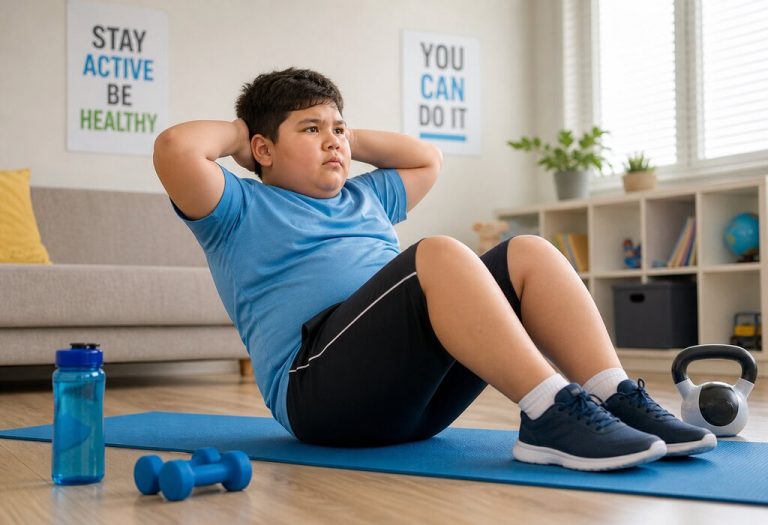
The growing role of medication also shouldn’t turn this into a medication-versus-lifestyle debate. The AAP recommends that pharmacotherapy be used alongside health behavior and lifestyle treatment, not as a replacement for it.
When parents ask about preventing or managing childhood obesity, I don’t encourage putting one child in the family on a restrictive “diet.” I would rather look at routines that support everyone’s health: nutritious foods that are realistically available to the family, water more often than sugary drinks, regular opportunities for physical activity, adequate sleep and routine healthcare that can identify changes in growth or health early. That distinction is especially important because an intense focus on weight loss can sometimes contribute to an unhealthy relationship with food and body image.
There are also circumstances families cannot simply lifestyle their way out of. Genetics matter. Certain medications and medical conditions matter. Social and environmental factors matter. Effective obesity care has to account for the life a child is actually living.
The new study raises an equity question here as well.
Children in areas with less social vulnerability were more likely to receive GLP-1 prescriptions. Children in more socially vulnerable communities were less likely to receive them. The researchers specifically identified this disparity in their conclusions. As these medications become a larger part of obesity treatment, access deserves attention too. A treatment cannot improve population health if the children who might benefit from it cannot realistically access the care. Access and affordability have already become major issues surrounding newer obesity medications, with manufacturers exploring different ways to make treatment more readily available
What I encourage parents to do
If you’re concerned about your child’s weight, start with their pediatrician or healthcare provider rather than a diet, an online weight-loss program or information from social media. Ask to review your child’s growth curve and whether their trajectory has changed. Talk about sleep, nutrition, physical activity, medications, family history and any symptoms you’ve noticed.
Depending on your child’s age and health history, their provider may recommend additional screening. That can include blood pressure, cholesterol, blood sugar, liver health and other obesity-related concerns. The AAP recommends evaluating and treating obesity and its associated health conditions together rather than waiting for one problem to become more serious before addressing the other.
If medication enters the conversation, I encourage parents to ask why. What specifically about my child’s health makes you recommend this now? What evidence do we have for children this age? What benefits should we expect? Are there side effects I should watch for? How will you monitor growth and nutrition? How long might my child need treatment? What happens when the medication is stopped?
Those are not confrontational questions. They’re the questions an informed parent should be asking.
I also want parents to pay attention to how weight is discussed at home. Children hear the comments we make about our own bodies, their bodies, food and other people’s weight. We can take childhood obesity seriously as a medical condition without teaching a child that their body is something to be ashamed of.
The rise in GLP-1 prescribing among younger children tells us that pediatric obesity treatment is changing, but I don’t think the takeaway from this study should be that every child with obesity needs medication. The more important question is whether we are doing a better job of identifying children whose health is already being affected and giving families access to appropriate, evidence-based treatment before those problems progress.
For some children, that may eventually include medication. For others, it won’t. What matters is that the decision reflects the child’s complete health picture and the best available evidence. It should also include a thoughtful conversation between the family and qualified healthcare professionals.