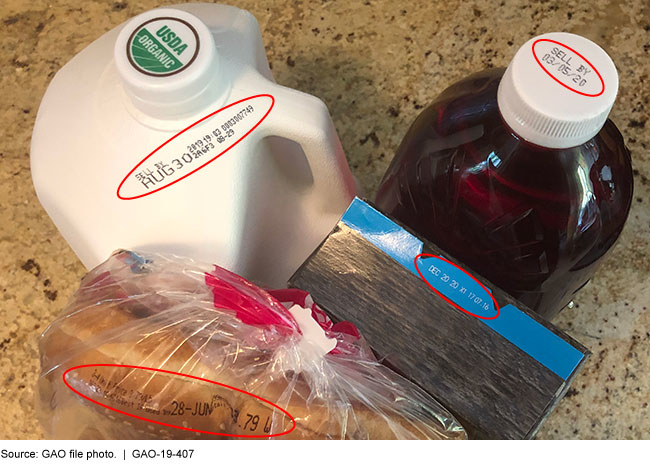

That date stamped on your yogurt, carton of eggs or package of chicken may look like an expiration warning. Often, it isn’t. Understanding what food-date labels actually mean can help you make safer decisions, reduce unnecessary food waste and get more from your grocery budget.
You reach into the refrigerator and find a yogurt that has been pushed toward the back. The container looks normal, but the date passed three days ago. Is it expired, or is it still safe to eat?
For many consumers, the natural response is to throw it away. A printed date looks official and can easily be interpreted as the point when food is no longer safe. In many cases, however, that isn’t what the date means.
Except for infant formula, federal regulations generally do not require manufacturers to place expiration dates on packaged foods. The U.S. Department of Agriculture (USDA) explains that most food dates are intended to help consumers and retailers determine when a product will be at its best quality rather than identify the exact point when it becomes unsafe.
The distinction matters. The U.S. Food and Drug Administration (FDA) estimates that confusion about date labels accounts for approximately 20% of consumer food waste. Overall, an estimated 30% to 40% of the U.S. food supply is lost or wasted.
Research suggests the terminology itself contributes to the problem. A nationally representative study of more than 1,000 U.S. adults published in Waste Management found that 84% reported discarding food near the package date at least occasionally. Understanding what those dates actually represent can help consumers make more informed decisions.
Not Every Date Is an Expiration Date

According to USDA, a “Sell By” date tells a retailer how long to display a product for inventory management. It is not considered a safety date. Other familiar phrases also have specific meanings under current federal guidance.
Consider a package of chicken with a “Sell By” date of Tuesday. It would be understandable to interpret Tuesday as the deadline for eating the chicken. But that’s not what the label is designed to communicate.
For consumers, these distinctions are useful:
- Sell By: Primarily helps stores manage inventory. It is not a food-safety deadline.
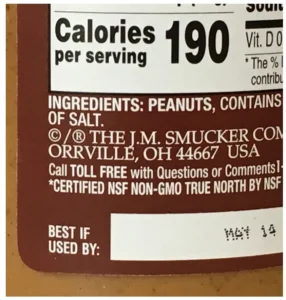
- Best if Used By/Before: Indicates when the manufacturer expects the food to have its best flavor or quality.
- Use By: Under federal guidance, generally indicates the final date recommended for peak quality rather than safety, except for infant formula.
- Freeze By: Indicates when a product should be frozen to help maintain peak quality. It is not a safety date.
A box of crackers a week beyond its “Best if Used By” date, for example, may have lost some crispness. Crossing the date does not automatically mean the crackers have become unsafe.
FDA and USDA have recommended the phrase “Best if Used By” for quality-based dating because it more clearly communicates that distinction to consumers.
The Printed Date Is Only Part of the Safety Picture
Understanding date labels should not be interpreted as permission to disregard safe food-storage practices. With perishable foods in particular, how long the food has been stored and at what temperature can be more important than the date printed on the package.
Return to that package of chicken. Its sell-by date may not be a safety deadline, but raw poultry should not remain in the refrigerator indefinitely simply because the printed date hasn’t passed.
USDA recommends keeping a refrigerator at 40°F or below. FDA also advises following the two-hour rule for foods requiring refrigeration: perishable foods should generally be refrigerated within two hours, or within one hour when outdoor temperatures are above 90°F.
When deciding what to do with a questionable food, consider more than the package date:
- What type of date is printed on the package? Determine whether it relates to quality, inventory or an actual safety requirement.
- What kind of food is it? Shelf-stable crackers and raw poultry require very different considerations.
- How long has it been stored? Follow recommended refrigerator and freezer storage times for perishable foods.
- Was it stored properly? A future package date does not make improperly refrigerated food safe.
These questions provide a more complete picture of food safety than the date alone. Also stay aware of food safety recalls.
Why the Sniff Test Has Limits

Smelling food before deciding whether to eat it is common, and our senses can provide useful information about spoilage. Changes in odor, texture, appearance or taste can signal that a food has deteriorated.
The important health distinction is that spoilage and foodborne contamination are not necessarily the same thing.
USDA notes that pathogenic bacteria capable of causing foodborne illness generally do not change the taste, smell or appearance of food. A food can therefore look and smell normal and still contain microorganisms that could make someone ill.
A useful way to think about it is this: Your senses may help identify spoilage, but they cannot confirm that a food is safe.
Leftovers Put This Into Perspective
Leftovers provide a good example because they usually don’t come with a manufacturer’s date. Sunday night’s chicken still has a food-safety timeline even though there isn’t a label telling you when to discard it.
USDA recommends using most refrigerated cooked leftovers within three to four days. That recommendation is based on safe storage practices rather than a date printed on the container.
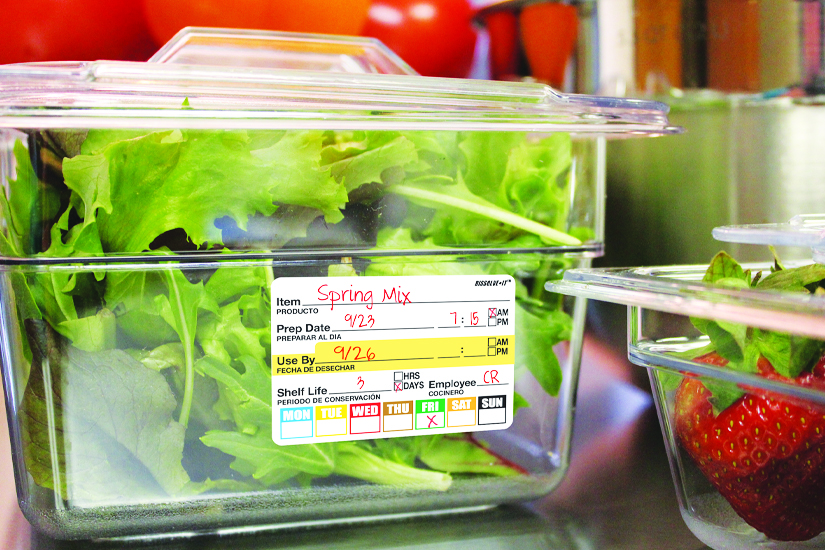
One practical habit is to label leftovers with the date they were prepared. If they are unlikely to be eaten within the recommended timeframe, freezing them earlier can preserve the food and reduce waste.
One “Use By” Date Requires Special Attention
Infant formula is an important exception to federal food-date rules. FDA requires infant formula to carry a “Use By” date, and formula should not be used after that date. The date helps ensure that the product contains the nutrient levels listed on the label and maintains acceptable quality.
Consumers should also be aware that state requirements can differ. Beginning July 1, 2026, California standardized food-date terminology so that “BEST if Used by” communicates quality, while “USE by” communicates food safety. The state also eliminated consumer-facing “Sell By” dates on most foods, with limited exceptions.
This distinction is particularly important because the meaning of “Use By” under California’s new system is different from how the term has traditionally been treated under broader federal guidance.
Making the Safer Call
The goal isn’t to encourage people to eat questionable food simply because they don’t want to waste it. Instead, understanding food-date labels provides another piece of information for making an informed decision.
A pantry item slightly beyond a quality date presents a very different situation from raw poultry that has been improperly stored. Look at the wording on the package, the type of food, how long you’ve had it and how it has been handled.
Extra caution is appropriate when preparing food for people at greater risk of serious foodborne illness. The Centers for Disease Control and Prevention identifies adults 65 and older, children younger than 5, pregnant people and people with weakened immune systems as groups at increased risk.
The next time a date on a package gives you pause, don’t assume it automatically means the food has expired. Determine what the date actually represents and consider it alongside proper storage and food-safety recommendations.
Understanding the difference between quality, spoilage and safety can help you protect your health while avoiding the unnecessary disposal of food that may still be perfectly usable.