
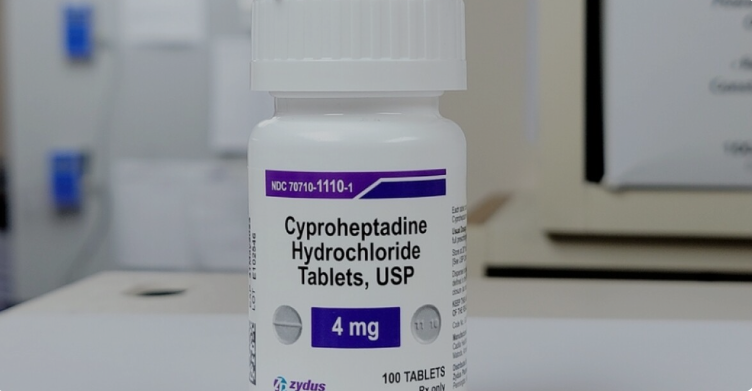

A Broward County grandmother has been charged with aggravated manslaughter in a heartbreaking case of cyproheptadine infant poisoning that led to the death of her 10-month-old grandson, Josiah Tobias Fenelus. This tragic event has sparked renewed concern over unprescribed medication use in infants.
Infant Dies After Suspected Cyproheptadine Infant Poisoning
On August 21, 2022, Josiah was left in the care of his grandmother, Tibina Louissant, at her Oakland Park home. During her care, the baby became unresponsive. Emergency services transported him to Broward Health Medical Center, where he was pronounced dead. Autopsy results later confirmed cyproheptadine infant poisoning as the cause of death.
Detectives found two baby bottles in Louissant’s home, both testing positive for cyproheptadine. The medical examiner reported brain swelling, pulmonary congestion, and a small scalp hemorrhage—common findings in cases of cyproheptadine infant poisoning.
Autopsy findings included brain swelling, pulmonary congestion, and a small scalp hemorrhage, all consistent with antihistamine toxicity in infants.
Understanding Cyproheptadine Infant Poisoning Risks
Cyproheptadine is an antihistamine that treats allergy symptoms such as sneezing, itching, and watery eyes. It is also sometimes used as an appetite stimulant. However, its use in children—especially infants—is not recommended.
The FDA warns that cyproheptadine is not safe for children under two years old. Misuse, especially without medical supervision, can result in serious poisoning or death.
Symptoms of Cyproheptadine Poisoning in Children
Symptoms of cyproheptadine poisoning in infants may include:
- Extreme drowsiness or sedation
- Rapid or irregular heartbeat
- Confusion or hallucinations
- Seizures
- Respiratory depression
In this case, the signs of brain and lung complications reported in Josiah’s autopsy reflect severe toxic effects from cyproheptadine ingestion.
Why This Case Matters
This tragedy serves as a sobering reminder of how infant poisoning from common medications can happen in home settings. Even over-the-counter drugs can be deadly when misused or given without a healthcare provider’s guidance.
Takeaway for Parents and Caregivers
Never give infants any medication not prescribed by a licensed provider.
Avoid repurposing medications (like appetite stimulants) unless medically necessary and supervised.
Store all medications out of reach and locked away.
If you suspect a child has ingested a harmful substance, call Poison Control at 1-800-222-1222 or seek emergency medical attention immediately.