

Have you ever forgotten where you left your keys, or struggled to remember someone’s name during a busy day? It happens to all of us. But as we grow older, those little lapses can feel more unsettling. Maintaining sharp memory and mental clarity becomes a top priority—and that’s where good cholesterol brain health may come into play.
We already know that blood pressure, stress, exercise, and diet all play roles in brain health. But here’s something you might not expect: a new study suggests that “good” cholesterol—also known as HDL—may be a key player in protecting your brain. This connection between good cholesterol and brain health is drawing fresh attention from researchers.
A groundbreaking study from UT Southwestern Medical Center has revealed that HDL (high-density lipoprotein) might help preserve healthy brain tissue in middle-aged adults. That’s right—the same cholesterol that supports your heart could also be safeguarding your mind.
What the Research Found
Researchers analyzed data from over 1,800 adults ages 35 to 70 who were part of the Dallas Heart Study. They measured cholesterol levels, performed brain MRIs, and tested memory and cognitive function.
Here’s what they discovered: It’s not just about how much HDL you have. It’s about how well it works. People with higher levels of small, more efficient HDL particles had greater gray matter volume and stronger brain function.
This matters because gray matter is where much of the brain’s activity happens—things like memory, muscle control, emotions, and decision-making. More gray matter typically means better mental performance
Why Does Gray Matter Volume Matter?
Gray matter is your brain’s engine room. It handles essential tasks like thinking, feeling, and remembering. As we age, some gray matter loss is normal. But accelerated loss is linked to cognitive decline and diseases like Alzheimer’s.
This study offers a new clue: improving the function of your HDL could help maintain your brain’s gray matter.
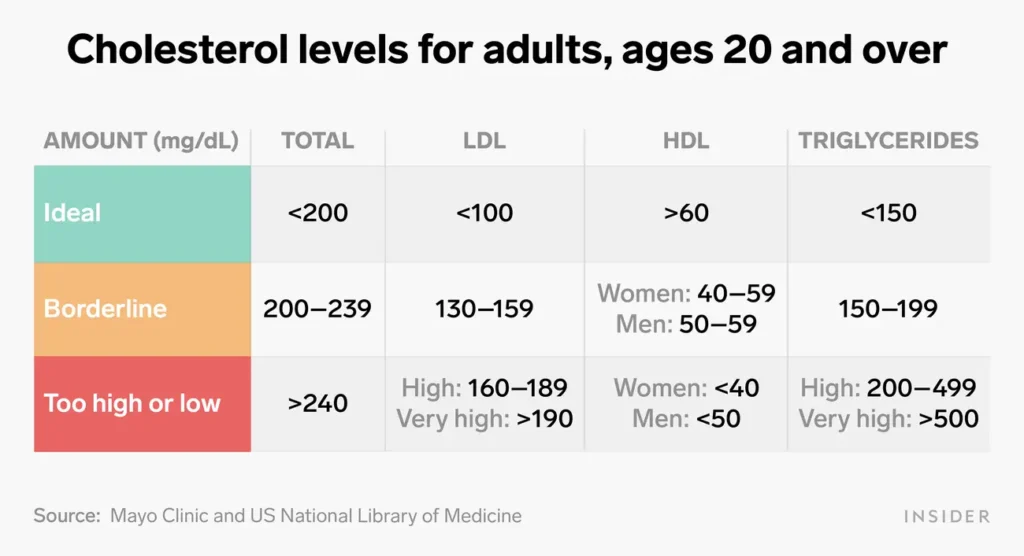
What Are Normal Cholesterol Levels?
HDL: More Than Just a Number
You may have heard HDL called “good cholesterol” because it helps remove excess cholesterol from your blood and carries it to the liver for disposal. In contrast, LDL (“bad cholesterol”) can lead to plaque buildup in your arteries.
What makes this study exciting is that it looked at the quality, not just the quantity, of HDL. Small HDL particles appear to cross the blood-brain barrier more easily, potentially helping to clear harmful substances from the brain.
They also have greater “efflux capacity” —meaning they’re better at sweeping up bad cholesterol and protecting your blood vessels, including those in your brain.
Why This Link Between Good Cholesterol and Brain Health Matters

As a nurse practitioner who’s worked in the ER and family medicine, I’ve seen the real-life consequences of poor heart and brain health. I’ve cared for patients who came in with strokes or memory problems that could have been prevented.
Many people focus on lowering bad cholesterol. But what this study shows is that boosting your good cholesterol—and making sure it functions well—could be just as important, especially for your brain.
So, when was the last time you had your cholesterol checked? Do you know what your HDL number is? And more importantly, do you know how well it’s working?
How to Support Good Cholesterol and Brain Health
Want to help your HDL do its job better? Here are a few proven strategies:
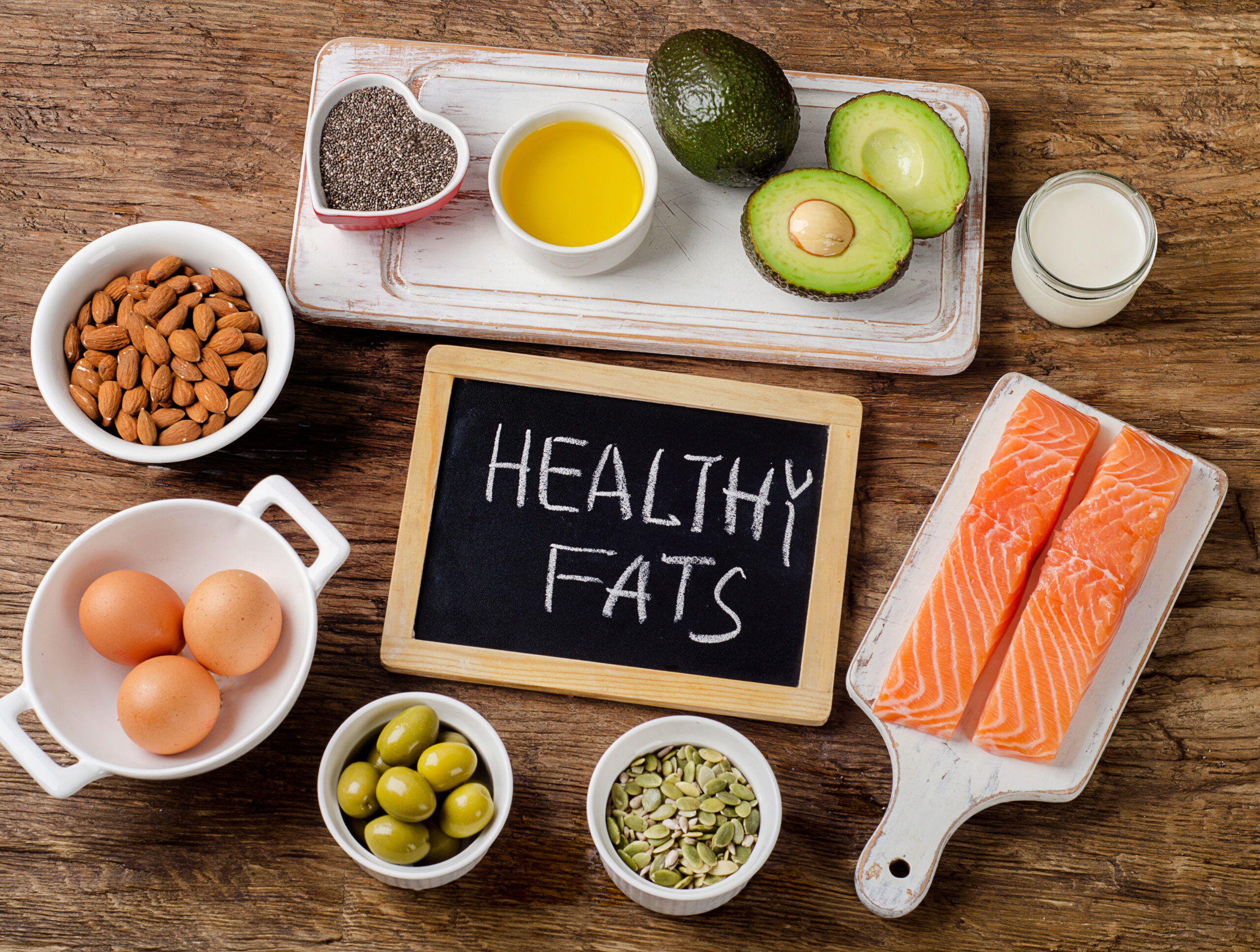
- Eat whole, nutrient-rich foods: Focus on fruits, vegetables, whole grains, lean proteins, and healthy fats like avocados, olive oil, and fish.
- Get regular physical activity: Even 30 minutes of brisk walking most days can improve HDL levels.
- Reach and maintain a healthy weight: Losing just 5–10% of your body weight can boost your cholesterol profile.
- Quit smoking: Smoking lowers HDL and damages your blood vessels.
- Limit alcohol: Moderate alcohol might raise HDL slightly, but excess drinking can harm your heart and brain.
- Manage chronic conditions: Diabetes, high blood pressure, and kidney disease all affect your cholesterol and your brain.
- Talk to your doctor: Medications like statins primarily lower LDL, but other options may also support HDL health.
The Future of Brain Health
This study opens the door to more personalized ways of measuring cholesterol and brain risk. Rather than just looking at your HDL number, future tests may assess HDL function and particle size to better predict cognitive decline.
We’re not there yet, but it’s coming. Until then, your best tools are still the basics: eat well, move more, manage stress, and get your labs checked regularly.
Moving Forward

We often think of cholesterol as a heart issue. But this research reminds us that what protects your heart may also protect your brain.
If you want to stay mentally sharp as you age, it might be time to pay closer attention to your HDL. Talk with your healthcare provider, review your lab results carefully, and make small changes that can have big impacts over time.
Your brain will thank you later.